
Building Growth Through Trust: A New Approach to Healthcare Leadership




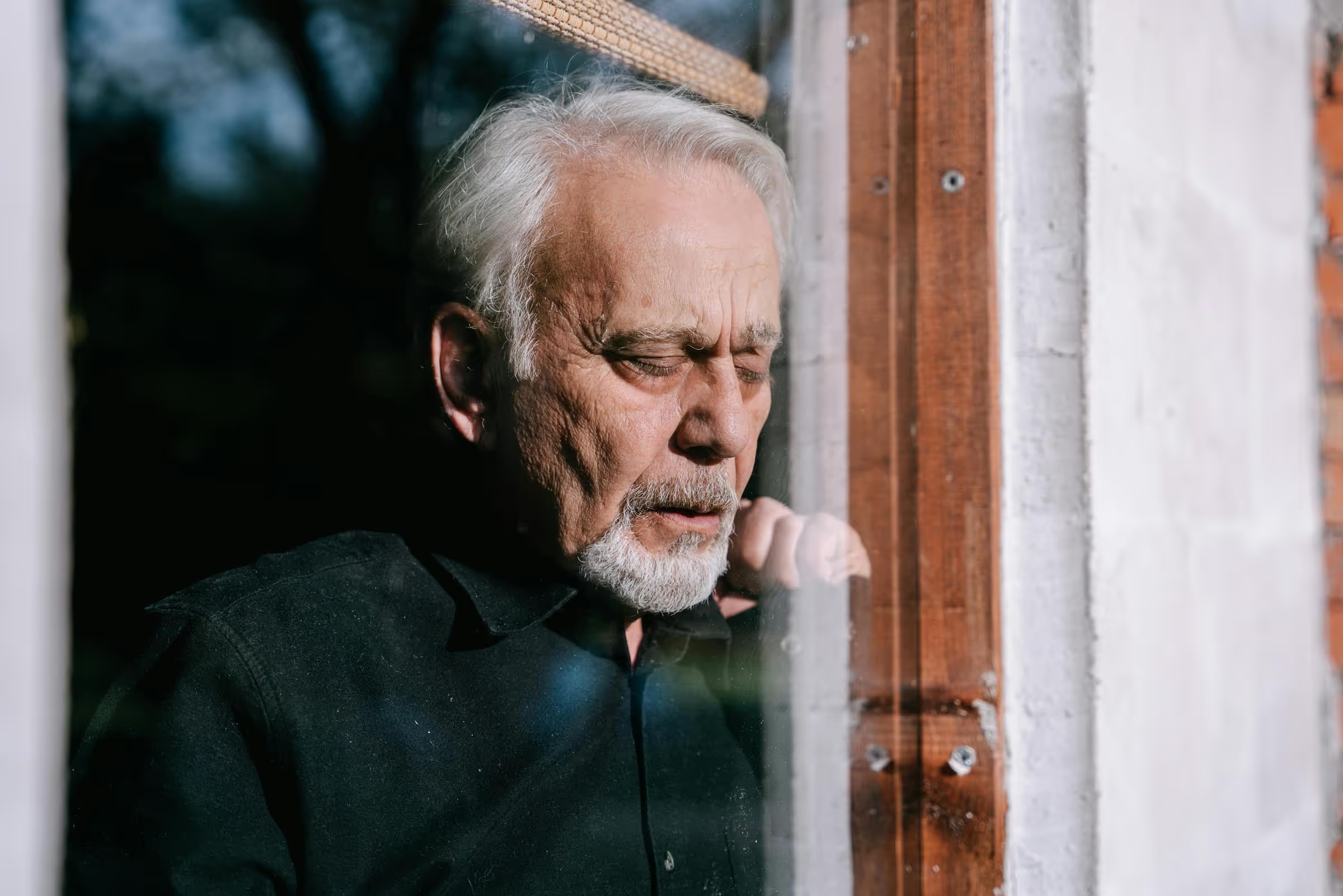
Mental health conditions such as anxiety and depression are more common in aging adults than many people realize, yet they often go unrecognized. Changes in health, mobility, independence, and daily routine can all contribute to emotional distress over time. While some shifts in mood may seem like a normal part of aging, persistent feelings of sadness, worry, or withdrawal are not. Recognizing these changes early is an important step in ensuring individuals receive the support they need to maintain both their emotional wellbeing and overall quality of life.
The signs of anxiety and depression in older adults can sometimes be subtle. They may include changes in sleep patterns, appetite, energy levels, or social engagement, as well as increased irritability, forgetfulness, or a loss of interest in activities they once enjoyed. In some cases, these symptoms may be mistaken for physical health issues or cognitive decline. This is why consistent observation and communication, whether from family members or care professionals, play a key role in identifying when something may be changing beneath the surface.
Support at home can make a significant difference in managing and improving mental health. Consistent routines, social interaction, and a sense of connection can help reduce feelings of isolation and provide emotional stability. Caregivers not only assist with daily needs, but also offer companionship, reassurance, and a familiar presence that can ease anxiety and improve mood. When mental health is prioritized alongside physical care, individuals are better supported in maintaining independence, dignity, and a more balanced, fulfilling life at home.