

Building Growth Through Trust: A New Approach to Healthcare Leadership




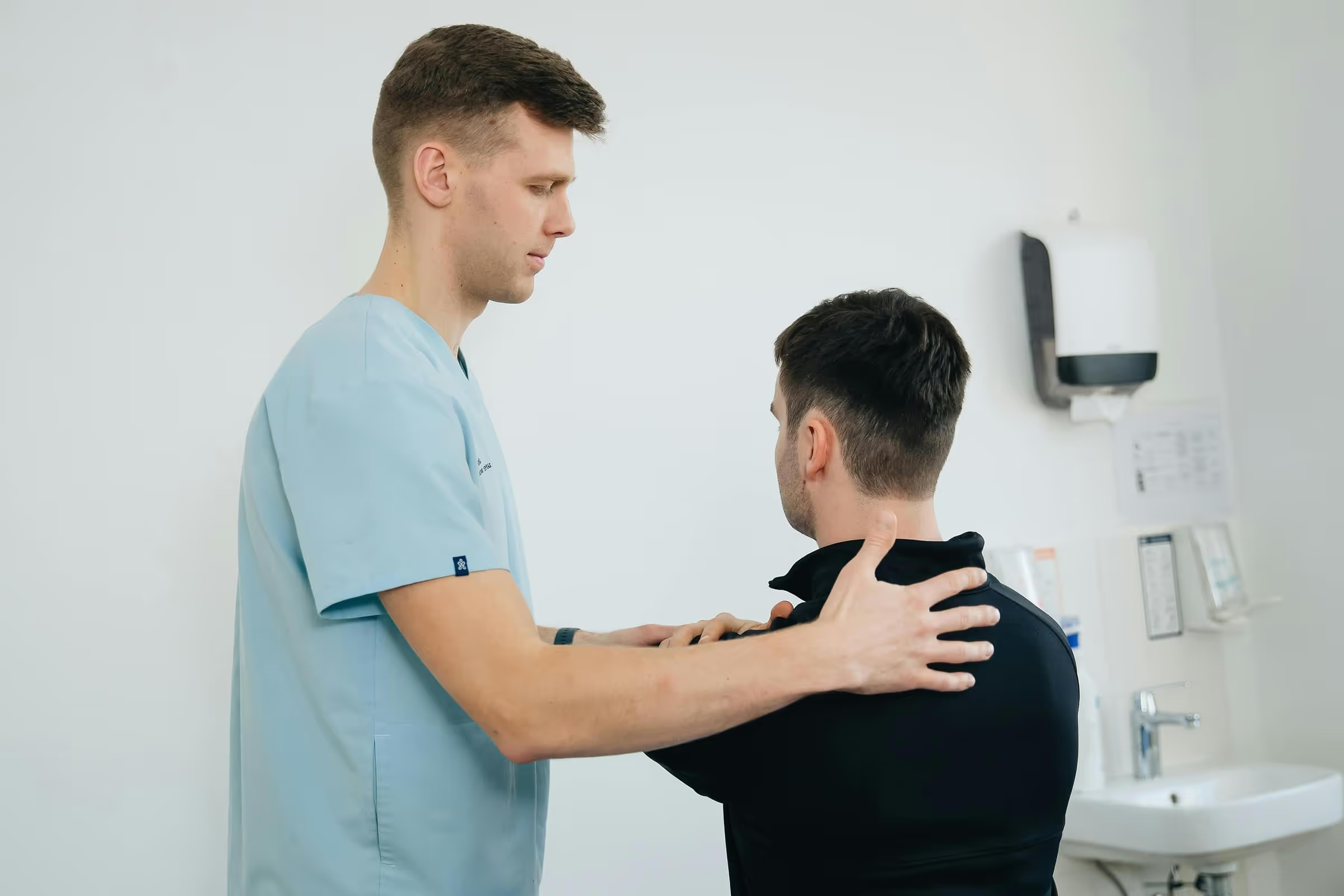
Physical and Occupational Therapy play a critical role in recovery, especially following surgery, stroke, injury, or during complex conditions such as oncology care. While Physical Therapy focuses on rebuilding strength, balance, and mobility, Occupational Therapy helps individuals regain independence in daily activities like dressing, bathing, and preparing meals. Together, these therapies create a comprehensive foundation for safe, effective recovery at home, reducing the risk of complications and supporting long-term function.
For individuals recovering at home, consistent therapy can significantly improve outcomes. Physical Therapy helps restore movement, reduce fall risk, and strengthen the body after periods of immobility, while Occupational Therapy supports fine motor skills, adaptive techniques, and the use of assistive devices. This is especially important for post-surgical patients or those experiencing weakness and fatigue from treatments, where regaining independence safely is a top priority. Early and consistent intervention can also help prevent re-hospitalization and accelerate the return to daily life.
Professional in-home care ensures these therapies are seamlessly integrated into a personalized care plan. Care teams can support exercises, reinforce therapy goals, assist with mobility and transfers, and monitor progress in real time. At Legacy Concierge, this coordinated approach allows clients to recover in a familiar environment while receiving expert support tailored to their needs. By combining Physical and Occupational Therapy with hands-on care, individuals can rebuild strength, restore independence, and improve overall quality of life.