Supporting a Loved One With Dementia During the Holidays




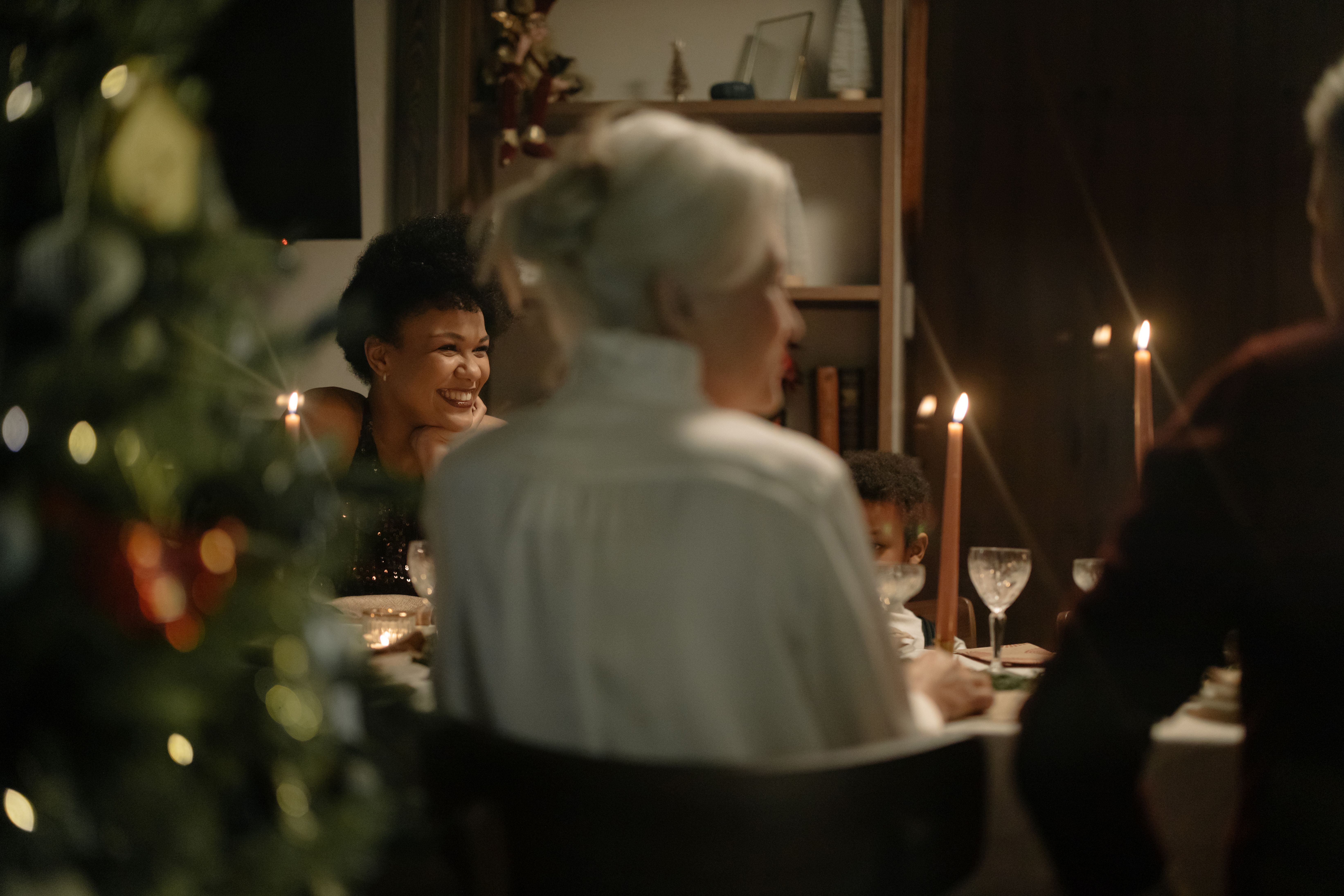
The holiday season is a time for family gatherings, cherished traditions, and meaningful moments of connection. For individuals living with dementia, however, changes in routine, increased activity, and unfamiliar environments can make celebrations more challenging.
While families naturally want to include their loved ones in holiday traditions, creating an enjoyable experience may require additional planning and flexibility. With thoughtful preparation and the right support, families can adapt celebrations to preserve the connections that make the holidays meaningful.
Understanding How Dementia Affects Holiday Experiences
Dementia can affect memory, communication, judgment, and the ability to process information. Large gatherings, unfamiliar surroundings, and changes in routine may contribute to confusion, fatigue, or distress.
A home filled with visitors, music, and multiple conversations may feel exciting to some family members but overwhelming to someone experiencing cognitive changes. Recognizing these challenges allows families to adjust expectations and create a more comfortable experience.
Maintaining Familiar Routines
Consistency can provide reassurance for individuals living with dementia. Regular meal times, medication schedules, rest periods, and familiar activities help create stability, even during busy holiday celebrations.
Consider scheduling gatherings around the times of day when your loved one feels most comfortable and alert. Some individuals experience increased confusion or agitation later in the day, making earlier celebrations a better option.
Maintaining familiar routines wherever possible can help reduce unnecessary disruptions and support overall well-being.
Creating a Comfortable Holiday Environment
Crowded spaces, excessive noise, and unfamiliar decorations may contribute to overstimulation or confusion.
Creating a quiet area for rest, limiting background noise, maintaining comfortable lighting, and ensuring clear pathways can make gatherings more manageable. For individuals with mobility challenges, accessible seating and assistance navigating the home may also be important.
These small adjustments can help loved ones participate in celebrations while prioritizing their comfort and safety.
Adapting Traditions to Encourage Participation
Holiday traditions often carry deep emotional significance, even when someone's ability to participate has changed. Rather than eliminating familiar activities, families can find ways to adapt them.
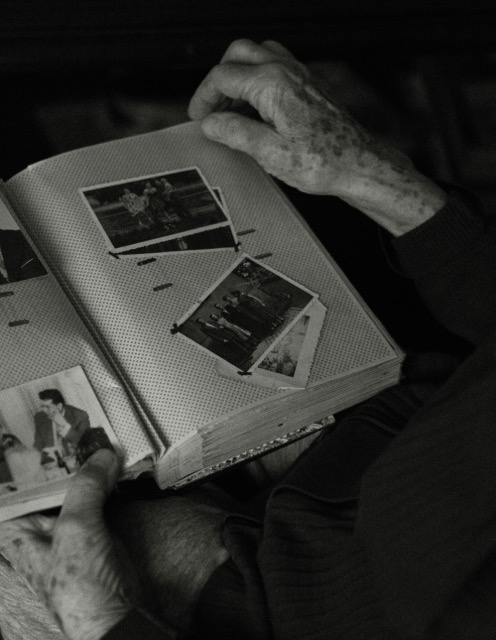
Someone who once prepared elaborate holiday meals may enjoy helping with a simple recipe, arranging decorations, or sharing family stories. Listening to familiar music, looking through photographs, or enjoying a favorite seasonal dish can also encourage meaningful connection.
The goal is not to recreate every tradition exactly as it was, but to preserve the feelings of familiarity, belonging, and enjoyment associated with those experiences.
Supporting Family Caregivers During the Holidays
Caring for someone with dementia involves ongoing physical, emotional, and logistical responsibilities. During the holidays, these demands may increase as family caregivers balance their loved one's needs with hosting, travel, and seasonal obligations.
Professional caregiving support can help alleviate these responsibilities, allowing family members to participate more fully in celebrations. A trusted caregiver can assist with daily routines, mobility, meals, and personal care while helping maintain consistency.
For individuals with more complex medical needs, skilled nursing and care coordination may provide additional reassurance.
Personalized Dementia Support at Home
Dementia affects every individual differently, making personalized care essential. At Legacy Concierge, our RN-led approach focuses on understanding each client's clinical needs, daily routines, personal preferences, and family circumstances.
Through individualized caregiving, private-duty nursing, and care coordination, we help families navigate evolving care needs while prioritizing dignity, comfort, and quality of life.
The holidays may look different when a loved one is living with dementia, but the opportunity for meaningful connection remains. With patience, flexibility, and thoughtful support, families can continue celebrating the relationships and traditions that matter most.
Contact Legacy Concierge to schedule a complimentary care consultation and learn how personalized in-home support can help your family navigate dementia care with greater confidence.